
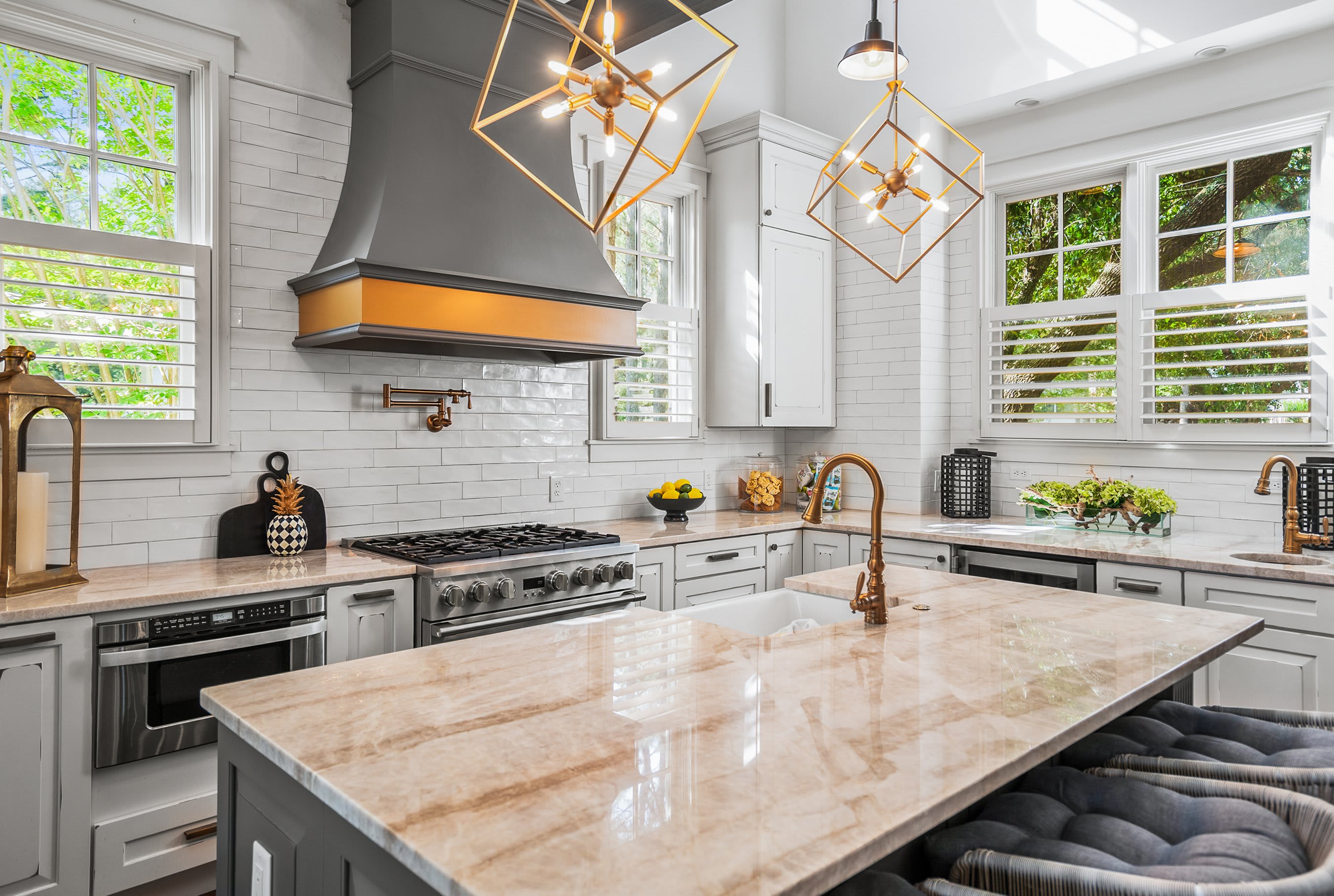

What It Will Take to Buy a Home in 2026: A Complete Guide for Today’s Buyers
Buying a home in 2026 will require more strategy and preparation than ever before. With mortgage rates holding steady around the mid-6% range, housing inventory slowly improving, and affordability still top of mind, buyers must come to the table informed, financially prepared, and patient.
At Golden Homes, we believe that homeownership should be a confident step — not a gamble. This detailed guide walks you through what to expect in 2026, including loan options, interest rate forecasts, affordability math, and how to position yourself to succeed in a competitive market.
The 2026 Housing Market Outlook
Mortgage Rates and Economic Conditions
As of late 2025, national 30-year fixed mortgage rates have settled around 6.3% to 6.7%. Economists expect this range to remain consistent through much of 2026 unless major inflationary or Federal Reserve policy changes occur.
For most buyers, this means the days of ultra-low 3% rates are gone — and affordability now depends on strategic budgeting, savings, and timing.
Home Price Expectations
While price growth has cooled compared to the frenzy of 2021–2022, experts predict flat to modest appreciation (1–3%) across many markets in 2026. That’s healthy, sustainable growth — a sign of market normalization rather than volatility.
For buyers, it also means less competition and a better chance at finding fair value.
Step-by-Step: How to Buy a Home in 2026
1. Strengthen Your Finances
Before contacting lenders, review your full financial picture:
-
Pull your credit report and address any errors
-
Aim for a credit score above 680 for conventional loans (580+ for FHA)
-
Save 3–20% down, depending on loan type
-
Build an emergency fund covering 3–6 months of expenses
Pro Tip: Don’t take on new debt before applying — it can impact your debt-to-income (DTI) ratio and loan approval amount.
2. Get Pre-Approved
A pre-approval letter shows sellers that you’re serious and financially qualified. You’ll need:
-
Two years of W-2s or tax returns
-
Recent pay stubs and bank statements
-
A verified credit check
A pre-approval also gives you a clear idea of your monthly budget before you start shopping.
3. Partner with a Trusted Agent
In a market like 2026, working with a knowledgeable local agent is invaluable. At Golden Homes, we know how to:
-
Identify undervalued listings
-
Negotiate strategically amid fluctuating rates
-
Find off-market and coming-soon opportunities
-
Guide you through inspections, appraisals, and contract contingencies
Your agent isn’t just a middleman — they’re your advocate, negotiator, and expert guide through every step.
4. Understand Loan Options
The right loan can save you tens of thousands of dollars. Here’s a breakdown of what’s available in 2026:
| Loan Type | Best For | Down Payment | Key Features |
|---|---|---|---|
| Conventional | Buyers with good credit (680+) | 3–20% | Flexible, low PMI, higher credit standards |
| FHA | Lower credit or smaller savings | 3.5% | Easier qualification, higher insurance costs |
| VA | Veterans & service members | 0% | No PMI, strong terms |
| USDA | Rural buyers | 0% | Income & area limits apply |
| Jumbo | Homes above conforming limits | 10–20% | Stricter standards, higher rates |
| ARM | Short-term owners | Varies | Lower initial rates, risk of future increases |
How Much Home Can You Afford in 2026?
Affordability depends on income, debt, and interest rate. Let’s look at an example:
Home Price: $500,000
Down Payment: 10% ($50,000)
Loan Amount: $450,000
Rate: 6.5% (30-year fixed)
Monthly Payment (Principal & Interest): ≈ $2,848
Add: Taxes ($400), Insurance ($100), HOA ($200)
Total Monthly Cost: ≈ $3,548
If your household earns $120,000/year ($10,000/month), your total monthly debt should stay below 43–45% of income, or around $4,500/month. That leaves room for this payment and some cushion for maintenance and savings.
Down Payment Assistance & Grants
If saving 10–20% feels out of reach, you’re not alone. In 2026, several state and national programs continue to offer down payment assistance (DPA) and forgivable second mortgages for first-time buyers.
These programs often cover 3–5% of the purchase price and can be combined with FHA or conventional loans. Check with your lender and state housing authority — or contact Golden Homes for guidance on what’s available locally.
Buying Smart in 2026: Key Strategies
-
Budget conservatively. Plan based on slightly higher rates to protect yourself if they rise.
-
Negotiate creatively. Ask sellers for credits toward rate buy-downs or closing costs.
-
Avoid overleveraging. If a 50-year mortgage or extreme loan term seems like the only way to afford a home, it’s a red flag — wait and strengthen your finances instead.
-
Stay patient. Better homes and deals often appear outside of peak buying seasons.
The Golden Homes Advantage
At Golden Homes, we believe informed buyers make the best decisions. Our team specializes in helping clients:
-
Navigate complex lending and market conditions
-
Secure the best loan programs and incentives
-
Negotiate confidently in any rate environment
-
Find both on- and off-market opportunities across Hilton Head, Bluffton, and the Lowcountry
We combine local expertise, financial insight, and a client-first approach to make homeownership achievable — whether it’s your first home or your next investment.
Final Thoughts
Buying a home in 2026 will take preparation, patience, and perspective. Mortgage rates may remain higher than in previous years, but that also brings less competition, more choice, and a balanced market.
If you approach the process strategically — with the right agent, lender, and plan — 2026 can be the perfect time to buy.
Ready to Start Your 2026 Home Search?
Golden Homes Hilton Head is here to help you make it happen.
We provide personalized buyer consultations, local market insights, and access to the best listings in Hilton Head Island, Bluffton, and the surrounding Lowcountry.
📍 Visit teamhiltonhead.com or goldenhomeshhi.com to browse homes, get pre-approved, and take your first confident step toward homeownership in 2026.