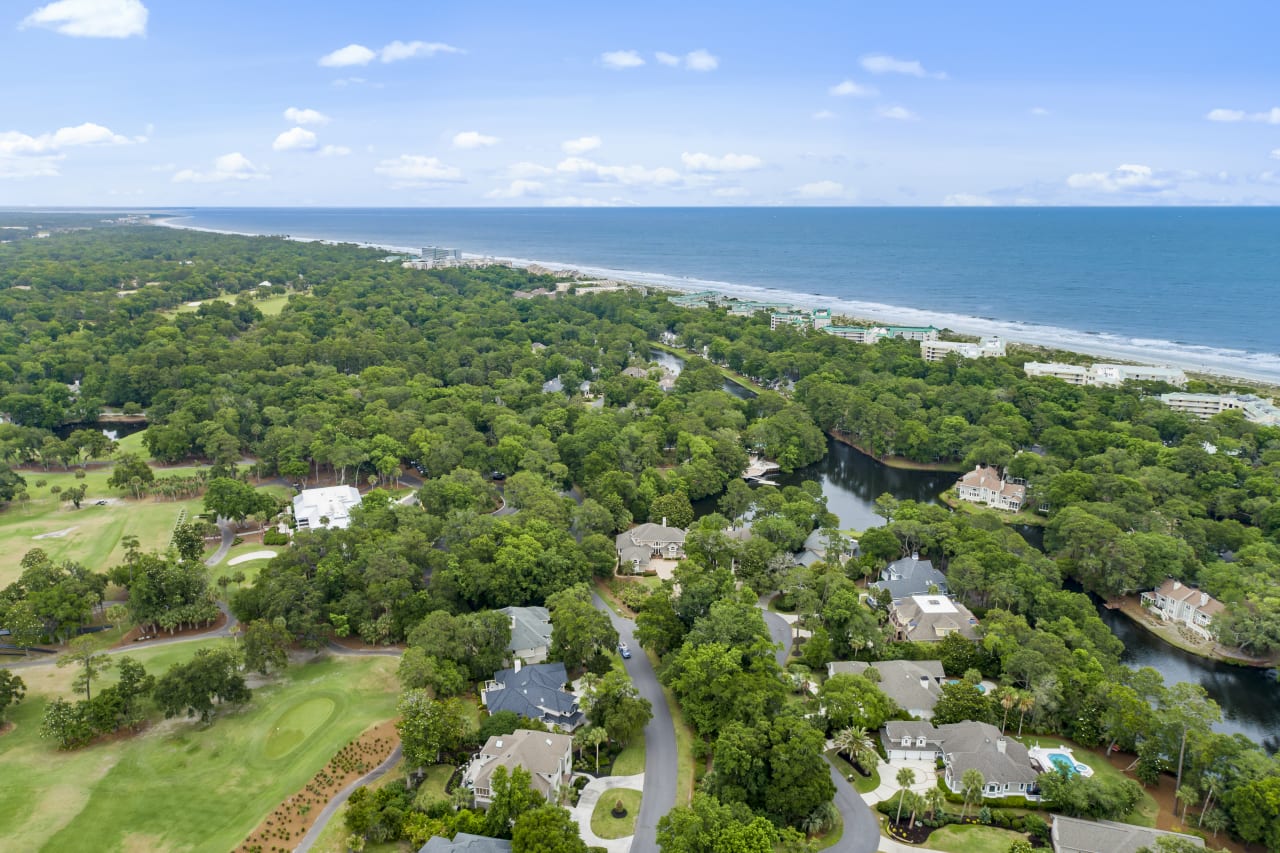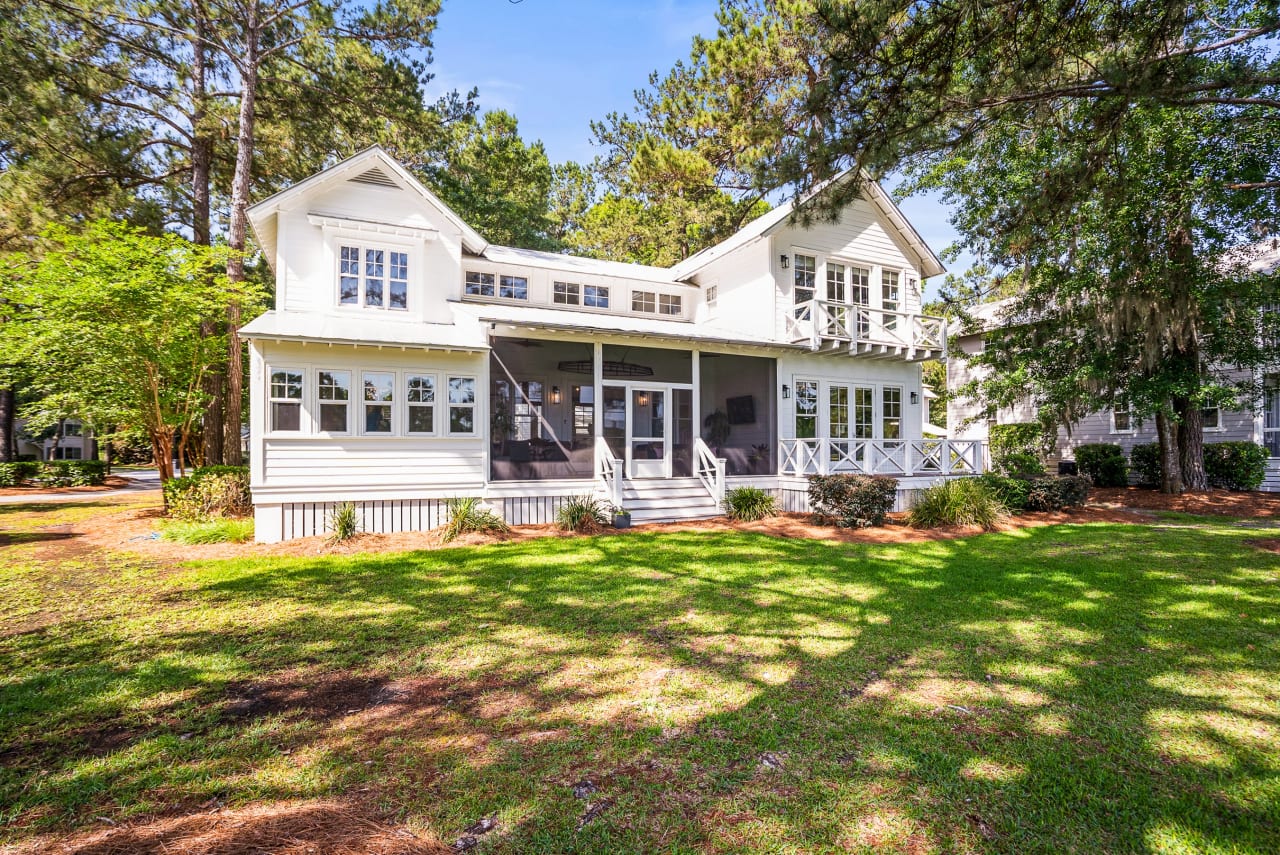

Discover the unique charm of Daufuskie Island with our latest listings featuring homes, condos, and villas for sale. Known for its serene atmosphere,…
1031 Exchange Guide for Real Estate Investors in Hilton Head Island, Bluffton, and the Lowcountry (South Carolina & Georgia)
A 1031 exchange is one of the most powerful wealth-building tools available to real estate investors. For investors buying or selling property across the Lowcountry—including Savannah, Hilton Head Island, and Bluffton—understanding how to properly execute a 1031 exchange can significantly increase long-term returns while deferring capital gains taxes.
This detailed guide explains how a 1031 exchange works, the rules specific to investors operating in South Carolina and Georgia, strategic investment opportunities in the region, and how to avoid common mistakes.
What Is a 1031 Exchange?
A 1031 exchange, named after Section 1031 of the U.S. tax code, allows investors to defer capital gains taxes when selling an investment property by reinvesting the proceeds into another qualifying property.
The exchange is regulated by the Internal Revenue Service and applies only to investment or business-use real estate.
Core Concept
Instead of paying taxes when selling:
You sell an investment property
Reinvest into another qualifying property
Defer capital gains taxes
Preserve more capital for reinvestment
This allows investors to scale portfolios faster and compound long-term equity growth.
Why 1031 Exchanges Are Extremely Popular in the Lowcountry
The Hilton Head Island and Bluffton markets have become prime 1031 exchange destinations due to:
Strong appreciation trends
Consistent tourism-driven rental demand
Limited inventory of waterfront and resort properties
Migration from major metro areas
Flexible investment property types (STR, long-term, commercial)
Many investors exchange:
Out-of-state rentals → Hilton Head short-term rentals
Residential rentals → Commercial properties
Small properties → Multi-property portfolios
The ability to move capital into stronger-performing markets makes the Lowcountry especially attractive.
1031 Exchange Timeline Rules (Critical)
Strict timelines must be followed or the exchange becomes invalid.
45-Day Identification Rule
You must identify replacement properties within 45 days of selling your original property.
This includes:
Address
Property description
Signed identification documentation
180-Day Closing Rule
You must close on the replacement property within 180 days of the sale.
These timelines run concurrently—not separately.
Like-Kind Property Requirements
A common misconception is that the replacement property must be identical. That is incorrect.
“Like-kind” refers to investment use, not property type.
Examples of valid exchanges:
Condo → Single-family STR
Residential rental → Commercial property
Land → Multifamily
Vacation rental → Mixed-use property
Invalid exchanges include:
Primary residence → Investment property (with limited exceptions)
Investment property → Personal use property
Why Hilton Head Island & Bluffton Are Ideal for 1031 Exchange Investments
1. Short-Term Rental Performance
Hilton Head Island remains one of the strongest STR markets in the Southeast due to:
Drive-to vacation demand
Established resort infrastructure
Strong occupancy rates
Premium ADR (Average Daily Rate)
Top STR investment areas include:
Sea Pines
Forest Beach
Palmetto Dunes
Shipyard
Folly Field
Many investors exchange into these areas specifically for cash flow.
2. Bluffton Growth & Appreciation
Bluffton has experienced explosive growth due to:
New construction expansion
Lower entry pricing compared to coastal properties
Proximity to Hilton Head and Savannah
Strong long-term rental demand
Bluffton works well for investors seeking:
Appreciation-focused strategies
Build-to-rent opportunities
Value-add acquisitions
3. Commercial Expansion Across the Lowcountry
Commercial development is increasing across the region, making exchanges into:
Retail centers
Office space
Mixed-use developments
Hospitality assets
increasingly common.
Key South Carolina & Georgia Considerations for 1031 Exchanges
Although 1031 exchanges are federal, local tax and closing structures vary.
South Carolina Considerations
State capital gains still apply if the exchange eventually ends without reinvestment
Transfer costs and legal structures vary by county
STR regulations differ by municipality
Hilton Head Island has specific zoning and regime requirements that must be reviewed before purchasing.
Georgia Considerations
Georgia investors frequently exchange into the Lowcountry due to:
Favorable price-to-rent ratios
Strong vacation markets
Lifestyle-driven demand
Georgia closings also differ slightly in attorney involvement and escrow procedures.
Replacement Property Strategies in the Lowcountry
Strategy 1: Trading Up for Cash Flow
Example:
Sell $600K long-term rental
Exchange into $1.2M Hilton Head STR
Goal:
Increase cash flow while deferring taxes.
Strategy 2: Diversification
Example:
Sell one property
Exchange into multiple smaller properties
This spreads risk and increases income streams.
Strategy 3: Value-Add Exchange
Example:
Sell stabilized property
Purchase property needing renovation
Force appreciation through improvements.
Strategy 4: Commercial Scaling
Example:
Sell residential portfolio
Exchange into retail or mixed-use property
This often improves cap rates and long-term appreciation.
Common 1031 Exchange Mistakes to Avoid
Missing Deadlines
Failure to meet the 45-day or 180-day timeline disqualifies the exchange.
Not Using a Qualified Intermediary
You cannot touch the funds from the sale. A Qualified Intermediary must hold proceeds.
Poor Property Identification Strategy
Many investors fail by not identifying backup properties.
Ignoring Rental Regulations
Short-term rental compliance must be confirmed before purchasing.
The Role of an Investment-Focused Realtor in a 1031 Exchange
1031 exchanges require:
Speed
Accurate deal analysis
Local market insight
Off-market opportunities
Working with a specialist helps investors:
Identify strong-performing assets quickly
Analyze rental data and cap rates
Navigate zoning and compliance nuances
Structure competitive offers
This is especially important in fast-moving markets like Hilton Head and Bluffton.
Why Many Investors Use the Lowcountry to Build Generational Wealth
The combination of:
Strong tourism demand
Limited coastal inventory
Lifestyle-driven migration
Expanding commercial growth
has made Hilton Head Island and Bluffton two of the most strategic reinvestment markets in the Southeast.
1031 exchanges allow investors to continually:
Upgrade assets
Increase income
Improve appreciation potential
Defer taxes long term
1031 Exchange Opportunities With Golden Homes
For investors considering a 1031 exchange in Hilton Head Island, Bluffton, or the surrounding Lowcountry, working with a local investment-focused team is critical.
Chaz Holden and Golden Homes specialize in:
Short-term rental investments
Commercial acquisitions
Off-market deal sourcing
Value-add opportunities
Portfolio scaling strategies
Golden Homes helps investors identify properties that align with:
Cash flow goals
Cap rate targets
Appreciation potential
Regulatory compliance requirements
Start Planning Your 1031 Exchange Strategy
If you are considering selling an investment property and reinvesting in the Lowcountry, early planning is essential to maximize the benefits of a 1031 exchange.
Whether you're exchanging into:
Hilton Head Island vacation rentals
Bluffton growth properties
Commercial real estate
Multifamily assets
having the right strategy and the right team can significantly impact your long-term returns.
Connect with Chaz Holden and Golden Homes to explore current opportunities, off-market inventory, and customized investment strategies across Hilton Head Island, Bluffton, and the greater South Carolina and Georgia coastal markets.