

How to Sell Your Hilton Head Island Property for Top Dollar: Insider Tips
Selling a property on Hilton Head Island can be a lucrative venture, but maximizing your sale price requires strategy, preparation, and attention to detail. With its pristine beaches, world-class golf courses, and luxurious lifestyle, Hilton Head Island attracts a high-demand market. However, to get top dollar, you’ll need to approach the sale with a well-thought-out plan. This guide will share insider tips on timing the market, effective marketing techniques, and negotiating strategies to ensure you achieve the best possible outcome.
1. Timing the Market
Timing can be a critical factor in selling your Hilton Head property for top dollar. Understanding the island’s real estate market cycles will help you determine the optimal time to list your home.
Peak Selling Seasons: Hilton Head Island’s real estate market tends to peak during the spring and summer months. From March to August, the island sees an influx of tourists and potential buyers looking for vacation homes or investment properties. Listing your home during these months can increase visibility and competition among buyers, driving up the sale price.
Off-Season Opportunities: While spring and summer are the peak seasons, there are opportunities to sell in the off-season as well. Buyers who are serious and motivated often search during the fall and winter months, seeking to close deals before the next busy season begins. Additionally, listing your property during the off-season means less competition, which can work in your favor if your home is well-prepared and priced correctly.
Market Trends: Keep an eye on local market trends, such as inventory levels, interest rates, and buyer demand. Working with a knowledgeable local real estate agent who understands the Hilton Head market can provide valuable insights into the best time to sell.
2. Preparing Your Property for Sale
The presentation of your property is crucial in attracting buyers and securing top dollar. From curb appeal to interior staging, attention to detail can make all the difference.
Curb Appeal: First impressions matter. Ensure that your property’s exterior is in top shape, with well-maintained landscaping, a clean driveway, and a fresh coat of paint if needed. Consider updating the front door, adding outdoor lighting, and planting seasonal flowers to enhance the home’s visual appeal.
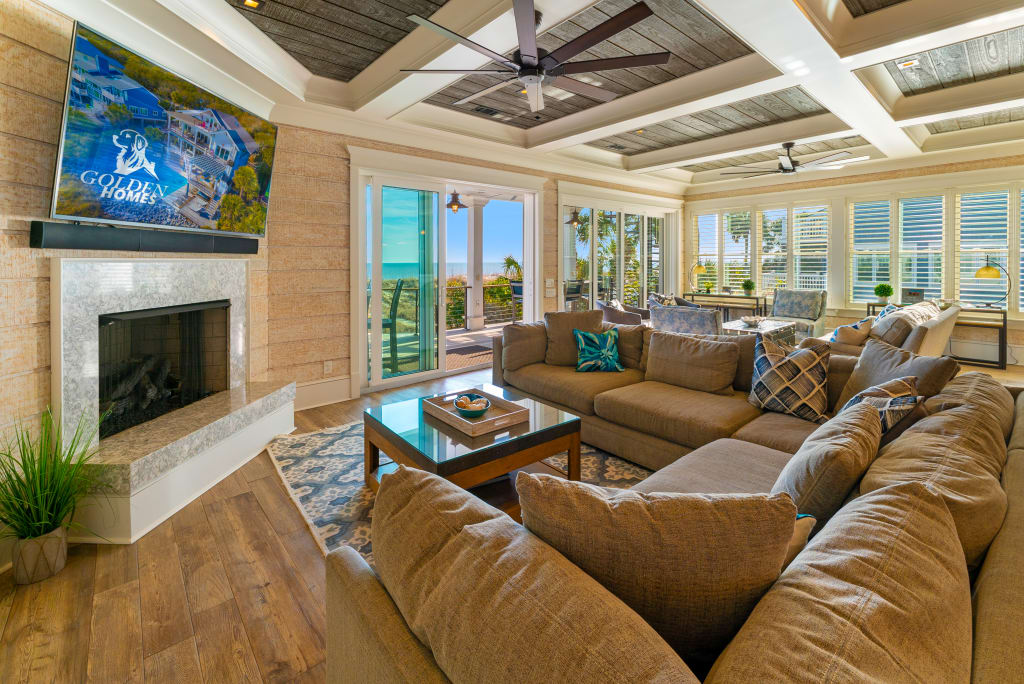
Professional Staging: Staging your home can significantly impact its perceived value. Hire a professional stager to arrange furniture, decorate with neutral tones, and create a welcoming atmosphere that appeals to a broad range of buyers. On Hilton Head, showcasing the coastal lifestyle with subtle nods to beach living—such as light, airy colors and tasteful nautical decor—can resonate with potential buyers.
Repairs and Updates: Address any necessary repairs before listing your home. Fix leaky faucets, replace broken tiles, and update outdated fixtures. Consider making strategic updates to high-impact areas like the kitchen and bathrooms. Even small improvements, like replacing cabinet hardware or adding a fresh backsplash, can enhance the home’s value.
Declutter and Depersonalize: Remove personal items, family photos, and excess clutter to create a clean, open space that allows buyers to envision themselves in the home. A minimalist approach can make rooms appear larger and more inviting.
3. Effective Marketing Techniques
To sell your Hilton Head property for top dollar, you’ll need a comprehensive marketing strategy that highlights the unique features of your home and reaches the right audience.
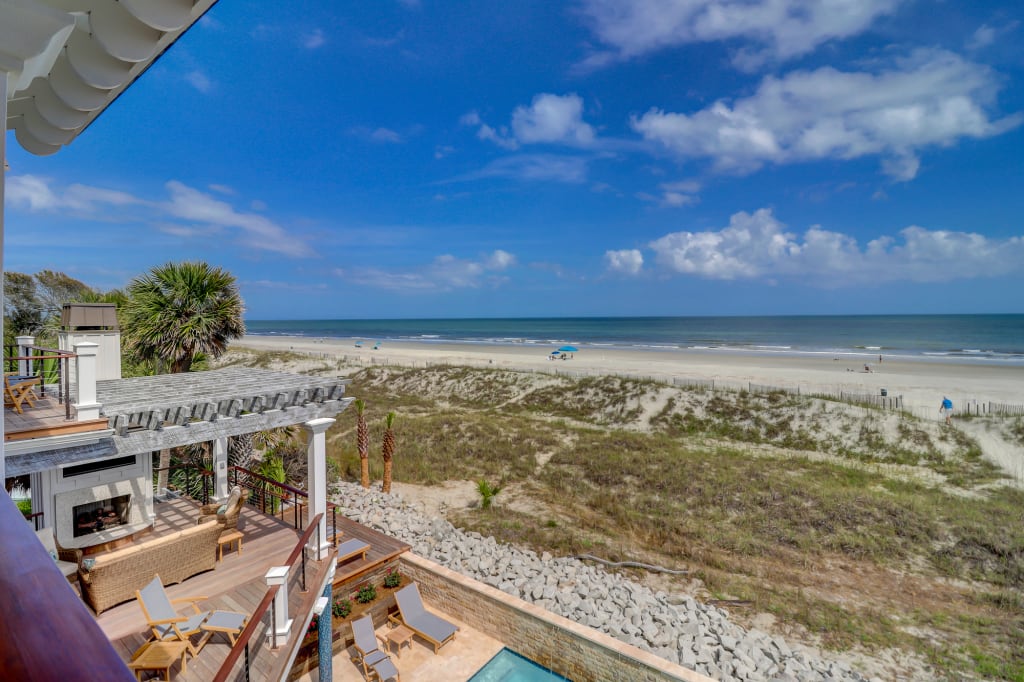
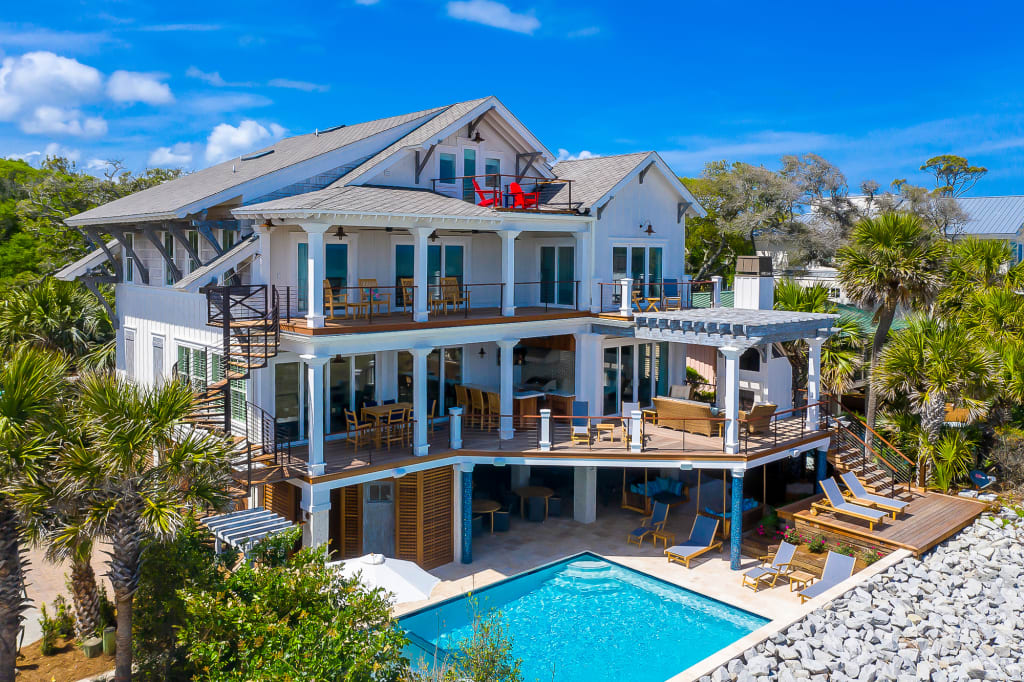
High-Quality Photography and Videography: Invest in professional photography and videography to showcase your property in its best light. Aerial drone footage can highlight the property’s location, proximity to the beach, and surrounding amenities. Virtual tours are also increasingly popular, allowing potential buyers to explore the home remotely.
Compelling Listing Description: Craft a detailed and engaging listing description that emphasizes the home’s unique selling points. Highlight features such as ocean views, proximity to golf courses, access to private beaches, and any recent upgrades. Use descriptive language that paints a picture of the lifestyle that comes with owning a home on Hilton Head Island.
Targeted Online Marketing: Utilize digital marketing strategies to reach a wider audience. This includes listing your property on popular real estate websites, using social media platforms to promote the home, and leveraging targeted online ads. Ensure that your agent is utilizing search engine optimization (SEO) techniques to make your listing more discoverable by potential buyers.
Open Houses and Private Showings: Host open houses to generate interest and attract multiple buyers. Private showings can also be effective, especially for luxury properties. Make sure your home is staged to perfection during these events, with fresh flowers, soft music, and even light refreshments to create a welcoming environment.
4. Pricing Strategy
Pricing your property correctly is one of the most critical aspects of selling for top dollar. Overpricing can deter potential buyers, while underpricing may leave money on the table.
Competitive Market Analysis: Work with your real estate agent to conduct a competitive market analysis (CMA) that compares your property to similar homes recently sold in the area. This analysis will help you determine a realistic and competitive listing price based on current market conditions.
Price It Right from the Start: Homes that are priced correctly from the beginning tend to sell faster and for a higher price. Avoid the temptation to overprice your home with the expectation of negotiating down later. A well-priced home can generate multiple offers, creating a bidding war that drives up the final sale price.
Adjusting the Price: Be prepared to adjust the price if the market feedback indicates that the initial listing price is too high. If your home isn’t attracting interest or receiving offers, it may be time to reevaluate the price. Your agent can help you make data-driven decisions based on buyer feedback and market activity.
5. Negotiating Tips for Sellers
When offers start coming in, effective negotiation is key to securing the best possible deal.
Understand Buyer Motivations: Before entering negotiations, try to understand the buyer’s motivations. Are they looking for a vacation home, an investment property, or a permanent residence? Knowing this can help you tailor your negotiation strategy to meet their needs while maximizing your gain.
Be Prepared to Counter: Don’t be afraid to counteroffer if the initial offer is below your expectations. A strong counteroffer can signal to the buyer that you’re serious about your asking price while still being open to negotiation. Work with your agent to craft a counteroffer that balances your financial goals with market realities.
Leverage Multiple Offers: If you receive multiple offers, use this to your advantage. Inform potential buyers that there is competition, which may prompt them to increase their offers. Your agent can guide you on how to handle multiple offer situations to achieve the highest possible sale price.
Consider Non-Monetary Terms: In addition to the offer price, consider other terms that could add value to the deal. This could include a flexible closing date, a rent-back agreement, or the inclusion of certain furnishings. Weigh these terms against the monetary offer to determine the best overall package.
6. Closing the Deal
Once you’ve accepted an offer, the closing process begins. Attention to detail during this phase is crucial to ensuring a smooth transaction.
Stay on Top of Contingencies: Most offers will include contingencies, such as a home inspection, financing, or appraisal. Work with your agent to address any issues that arise promptly. Be prepared to negotiate repairs or concessions based on the inspection results.
Clear Communication: Maintain clear and open communication with all parties involved, including your agent, the buyer’s agent, the title company, and your attorney. This will help prevent misunderstandings and keep the closing process on track.
Prepare for Closing Costs: As a seller, you’ll be responsible for certain closing costs, such as agent commissions, title insurance, and transfer taxes. Understand these costs upfront and factor them into your net proceeds calculation.
Final Walkthrough: The buyer will typically conduct a final walkthrough before closing to ensure the property is in the agreed-upon condition. Make sure the home is clean and any negotiated repairs have been completed. Address any last-minute issues to avoid delays at closing.
7. Conclusion
Selling your Hilton Head Island property for top dollar requires a strategic approach, attention to detail, and a deep understanding of the local real estate market. By timing your sale correctly, preparing your home meticulously, implementing effective marketing techniques, and negotiating skillfully, you can maximize your sale price and achieve a successful outcome. Partnering with an experienced local real estate agent who knows the Hilton Head market is essential to navigating the complexities of the selling process and ensuring that your property stands out in this competitive market. With the right approach, you can turn your Hilton Head property sale into a rewarding and profitable experience.