

How to Find a Real Estate Agent for Investment Properties
A Step by Step Guide for Serious Real Estate Investors
Finding the right real estate agent for investment properties is very different from choosing an agent to buy a primary home. Investors need market intelligence, financial analysis skills, negotiation strength, and long term strategy, not just someone who can unlock doors.
If you are searching for how to find a real estate agent for investment properties, this guide will help you identify the right professional and avoid costly mistakes.
1. Look for an Agent Who Understands Investment Metrics
Most residential agents focus on bedrooms, finishes, and lifestyle features. An investment focused agent should immediately be talking about numbers such as:
-
Cap rate
-
Cash on cash return
-
DSCR and financing structure
-
Operating expenses and NOI
-
Short term vs long term rental performance
-
Value add potential and ARV
If an agent cannot comfortably analyze rental income, expense ratios, and return projections, they are not positioned to guide investment decisions.
2. Make Sure They Know Local Rental Regulations
Investment real estate is hyper local, especially in markets with strong vacation rental demand. Rules can change by:
-
City
-
Neighborhood
-
HOA
-
Zoning designation
An experienced investment agent should know where short term rentals are allowed, where they are restricted, and which areas have the strongest historical performance.
This is especially critical in coastal markets like Savannah GA, Hilton Head Island, Bluffton, and Charleston SC, where rental rules and community guidelines directly impact income potential.
3. Choose Someone Who Works With Investors Regularly
Ask these questions:
-
How many investment properties have you helped purchase in the last year?
-
Do you work with short term rental buyers, long term landlords, or both?
-
Do you own or operate investment property yourself?
-
Can you connect me with lenders, property managers, and contractors?
Agents who regularly serve investors usually have a strong network that includes:
-
Investor friendly lenders
-
Property managers
-
Contractors and inspectors
-
Short term rental consultants
That network can save you time and significantly reduce risk.
4. Find an Agent Who Understands Value Add Strategy
The best investment agents do not just help you buy stabilized properties. They help you identify upside opportunities, such as:
-
Properties priced below market due to condition
-
Layouts that allow bedroom additions
-
Homes with room for pools or amenities that increase rental revenue
-
Underperforming rentals that can be repositioned
This is where experience and vision matter. A strong investment agent sees potential others miss.
5. Pay Attention to Their Marketing and Deal Access
Off market opportunities, pre market deals, and investor networks often produce the best returns. Agents deeply embedded in the investor community tend to have:
-
Access to off market sellers
-
Relationships with wholesalers and developers
-
Repeat investor clients who trade properties frequently
An agent with strong digital reach and an active investor network is more likely to surface deals before they become widely competitive.
6. Interview More Than One Agent
Treat this like hiring a financial partner, not just a salesperson. Compare:
-
Their knowledge of returns and underwriting
-
Their familiarity with rental performance in specific neighborhoods
-
Their communication style and responsiveness
-
Their ability to explain risk, not just upside
You want someone who gives you realistic numbers, not inflated projections.
7. Work With a Team That Specializes in Investment Real Estate
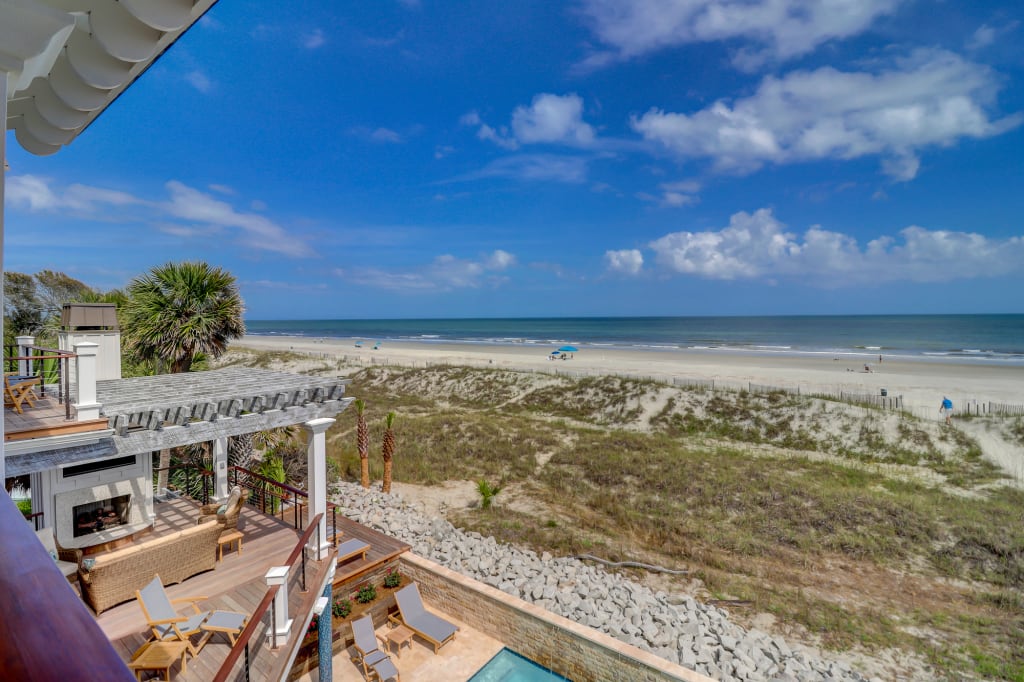
In the Lowcountry markets from Savannah to Hilton Head Island and Charleston, investment properties range from historic downtown rentals to beachfront short term vacation homes and multifamily or mixed use assets.
Working with a team that understands both residential and income producing property is a major advantage. Golden Homes is one example of a Lowcountry based real estate team that actively works with investors, analyzes rental performance, and helps clients identify high ROI opportunities across coastal Georgia and South Carolina.
Final Thoughts
The right investment real estate agent should function more like an advisor than a traditional home salesperson. They should understand numbers, risk, regulations, and long term portfolio growth.
When evaluating who to work with, prioritize experience with investors, financial fluency, local regulation knowledge, and access to strong deal flow. Those factors will have a far greater impact on your returns than simply finding someone who knows how to write an offer.
If your goal is to build wealth through real estate, choosing the right agent is one of the most important investment decisions you will make.